

SUPPORTING YOU
You, your organisation, through change, in a crisis...
SUPPORTING YOU
You, your organisation, through change, in a crisis...
SUPPORTING YOU
You, your organisation, through change, in a crisis...
Our vision of support

As soon as you modify one of the sub-systems, the others need to be adapted in order to maintain the coherence and congruence of the whole.
For example, if you introduce a technical innovation, whatever it may be, you change the technical sub-system.
The other sub-systems then need to be adapted : are HR policies still relevant ? Do managers have the right management levers ? Is the level of autonomy given to work teams appropriate ? Do the ways in which work is divided and coordinated need to change ? And so on.
Our vision of support
As soon as you modify one of the sub-systems, the others need to be adapted in order to maintain the coherence and congruence of the whole.
For example, if you introduce a technical innovation, whatever it may be, you change the technical sub-system.
The other sub-systems then need to be adapted : are HR policies still relevant ? Do managers have the right management levers ? Is the level of autonomy given to work teams appropriate ? Do the ways in which work is divided and coordinated need to change ? And so on.
Our vision of support
As soon as you modify one of the sub-systems, the others need to be adapted in order to maintain the coherence and congruence of the whole.
For example, if you introduce a technical innovation, whatever it may be, you change the technical sub-system.
The other sub-systems then need to be adapted : are HR policies still relevant ? Do managers have the right management levers ? Is the level of autonomy given to work teams appropriate ? Do the ways in which work is divided and coordinated need to change ? And so on.
What are our methods ?
Rather than a well-worn method applied systematically, we create a specific approach with you, combining a number of guiding principles such as :

Our support is structured around your challenges.
That is why understanding you is essential: throughout our journey together, we adapt to your people, your professions, your constraints and your values.
We support those involved in co-building organisational pathways with them, adapting the various sub-systems in line with the one that has been or is about to be modified.
In doing so, we mobilise collective intelligence and encourage ownership of the solutions proposed.
Whether through contingency theory, organisational learning, the learning organisation, or through an ergonomic or HOF approach, our vision considers the system as a whole.
What are our methods ?
Rather than a well-worn method applied systematically, we create a specific approach with you, combining a number of guiding principles such as :
Our support is structured around your challenges.
That is why understanding you is essential: throughout our journey together, we adapt to your people, your professions, your constraints and your values.
We support those involved in co-building organisational pathways with them, adapting the various sub-systems in line with the one that has been or is about to be modified.
In doing so, we mobilise collective intelligence and encourage ownership of the solutions proposed.
Whether through contingency theory, organisational learning, the learning organisation, or through an ergonomic or HOF approach, our vision considers the system as a whole.
What are our methods ?
Rather than a well-worn method applied systematically, we create a specific approach with you, combining a number of guiding principles such as :
Our support is structured around your challenges.
That is why understanding you is essential: throughout our journey together, we adapt to your people, your professions, your constraints and your values.
We support those involved in co-building organisational pathways with them, adapting the various sub-systems in line with the one that has been or is about to be modified.
In doing so, we mobilise collective intelligence and encourage ownership of the solutions proposed.
Whether through contingency theory, organisational learning, the learning organisation, or through an ergonomic or HOF approach, our vision considers the system as a whole.
Our various areas of support
1. Supporting organisations
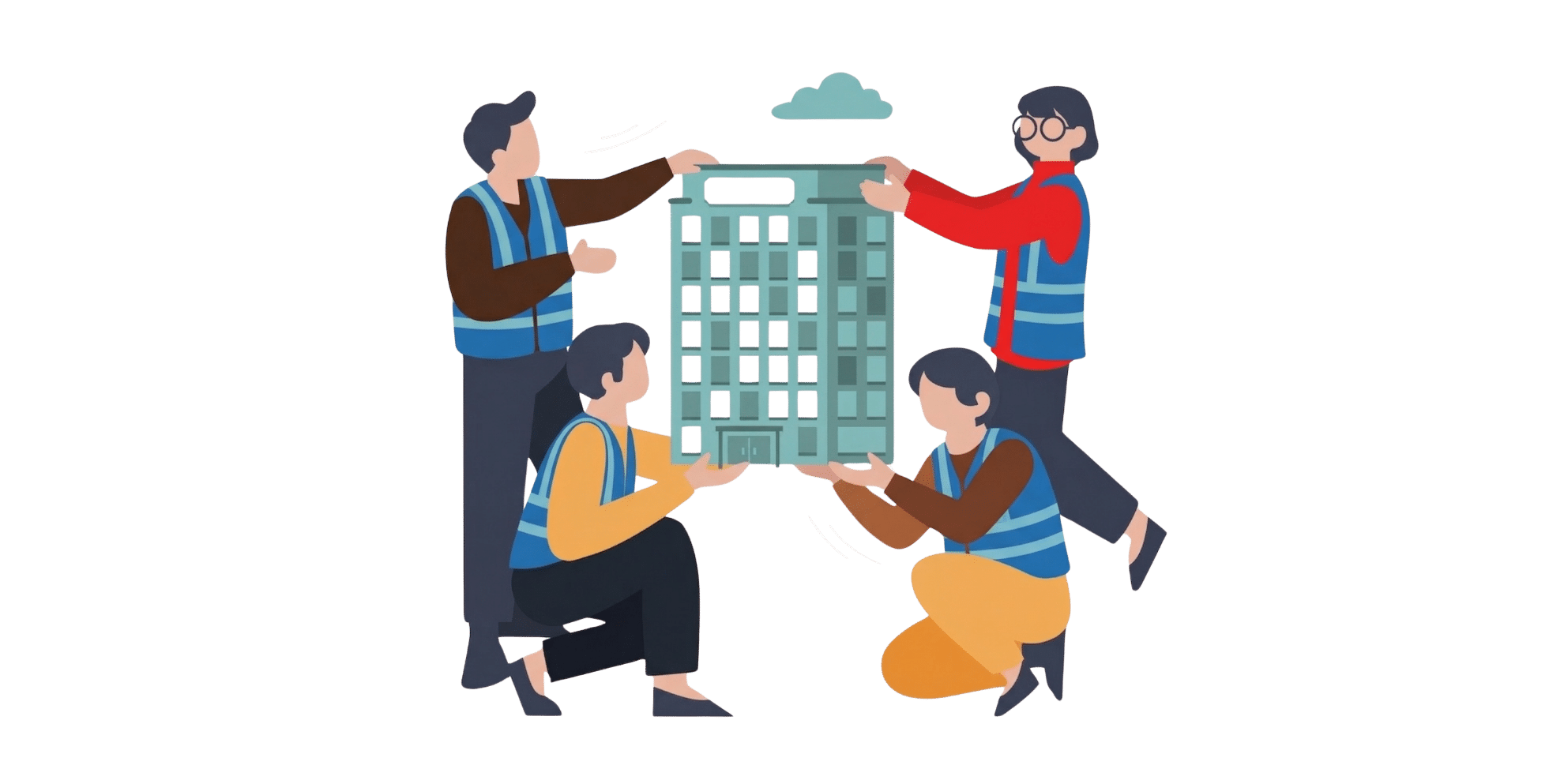
Our organisational support ranges from making high-risk activities more reliable and defining to implementing organisational learning arrangements for growing entities, by way of introducing a new activity or restructuring existing ones.

We draw on our varied knowledge and skills in High Reliability Organisations, Human and Organisational Factors, the learning organisation and more, to select those best suited to your needs at each phase of the support .

- Support in establishing and implementing an organisational learning culture
- Support with the design of crisis rooms and with taking HOF into account in the design of high-risk installations
- Support with structural change in an organisation
- Support in producing lessons-learned reviews of large-scale events (COVID, inter-agency management of major crisis situations, etc.)
2. Supporting people and teams
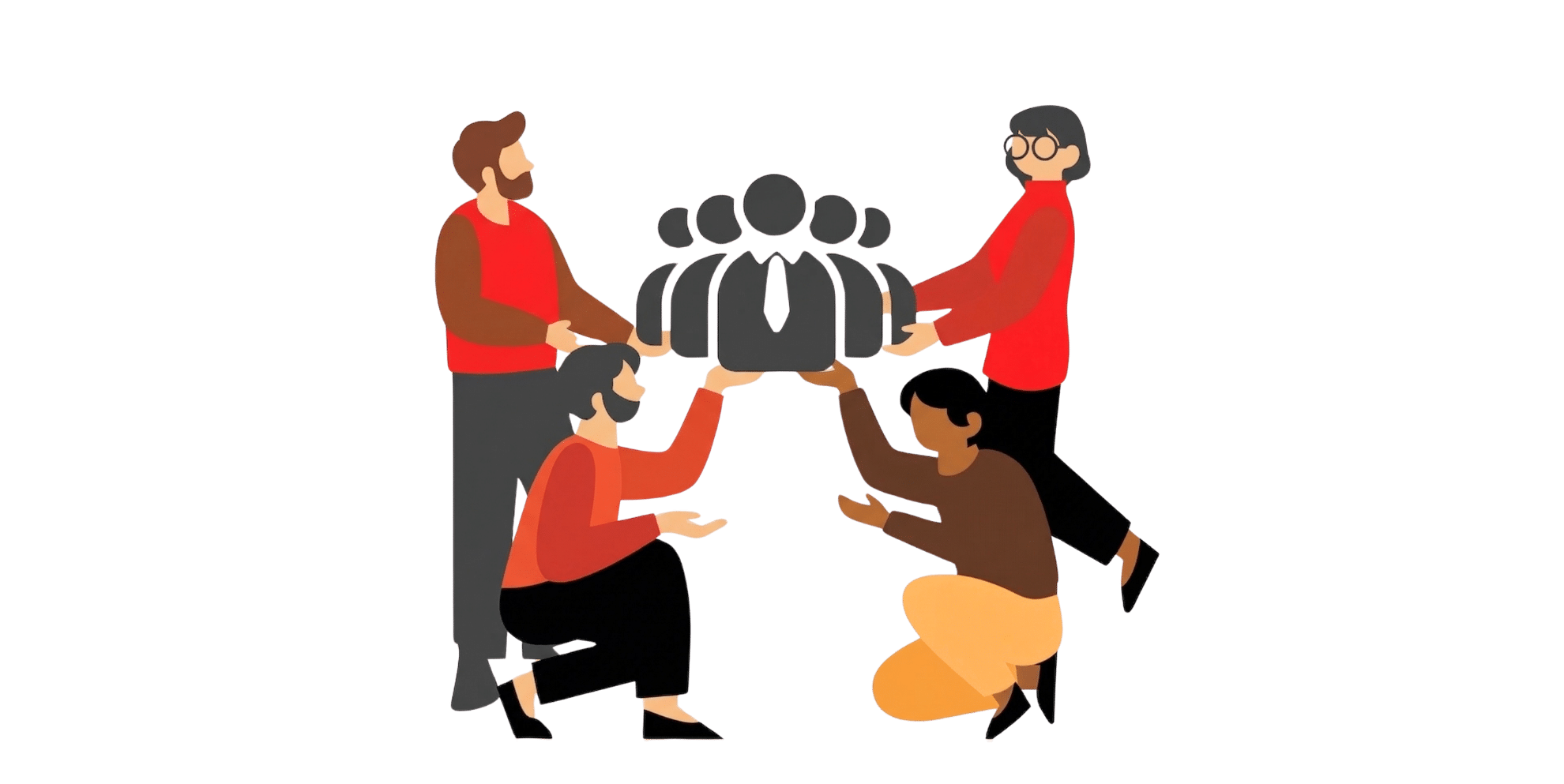
Support for your teams in developing their relational intelligence and their cohesion.
People are the engine of your organisational reliability.
Our approach creates a shared language and shared reflexes, essential for navigating complex or high-risk environments with confidence.
- Tools for self-awareness and awareness of others, methods for developing relational effectiveness and team cohesion.
- Helping managers identify their leadership style in order to support their teams in achieving results.
- Helping a team evolve together by sharing individual issues and co-building the solutions to be applied.
- The Insights Discovery concept, based on the psychology of Carl Jung, enables teams to adopt a shared and memorable language (the four "colour energies" model) in order to develop greater awareness of themselves and of others, which significantly improves communication, and cohesion.
- Group coaching approaches and co-development methods in particular. (https://insights.wistia.com/medias/tp2kc11w6m)
Supporting technological change
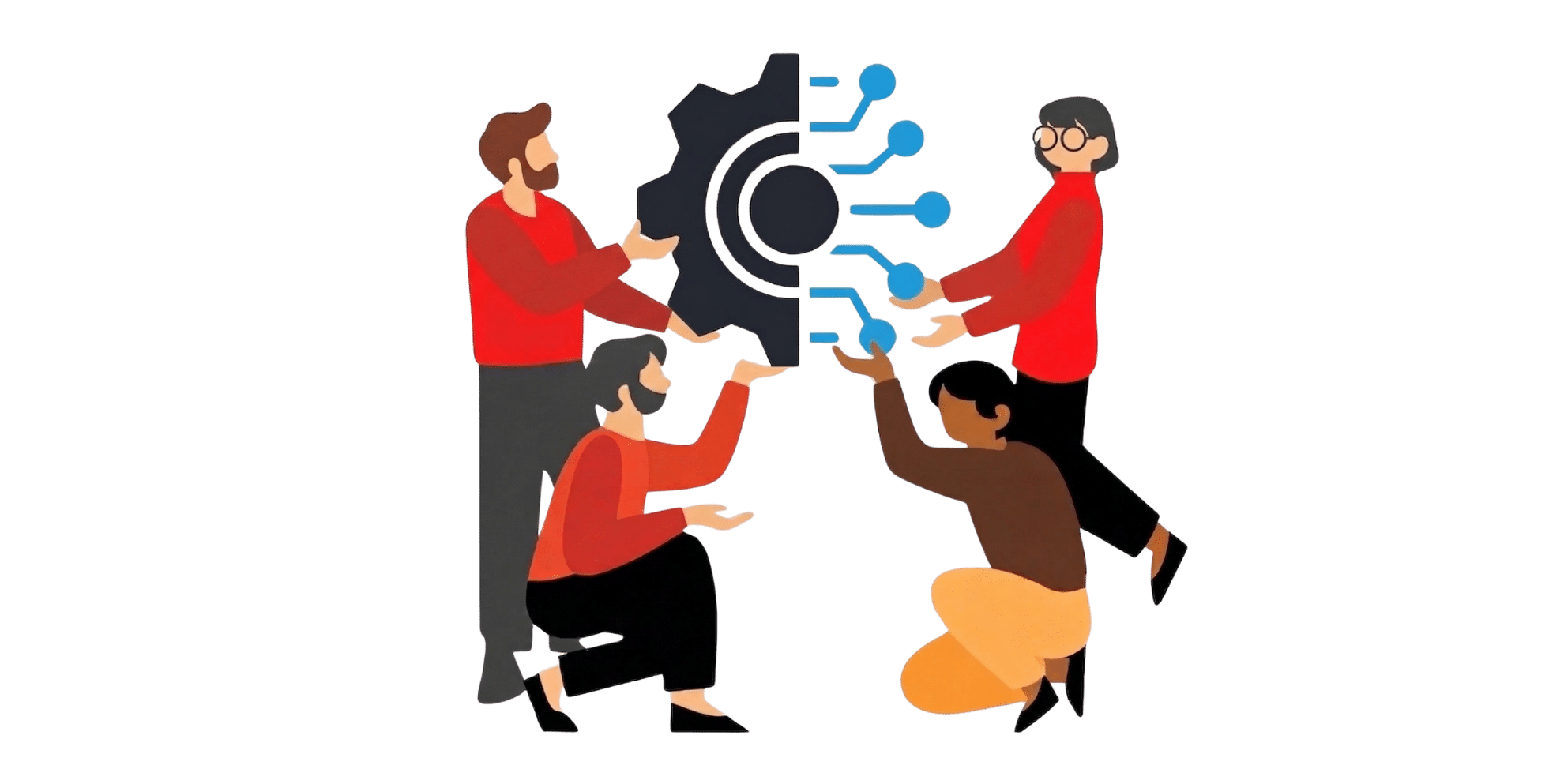
Support for projects to design new premises and to integratetechnological innovations requiring user-centred approaches built into the design process.
- Ergonomic analysis, functional analysis
- User-centred approach
- Simulation of probable future activity
- Impact analysis
- Support with the design of crisis facilities
- Support in making activities more reliable following the introduction of innovative technologies
- HOF support for the design of basic nuclear installations
4. Support in a crisis
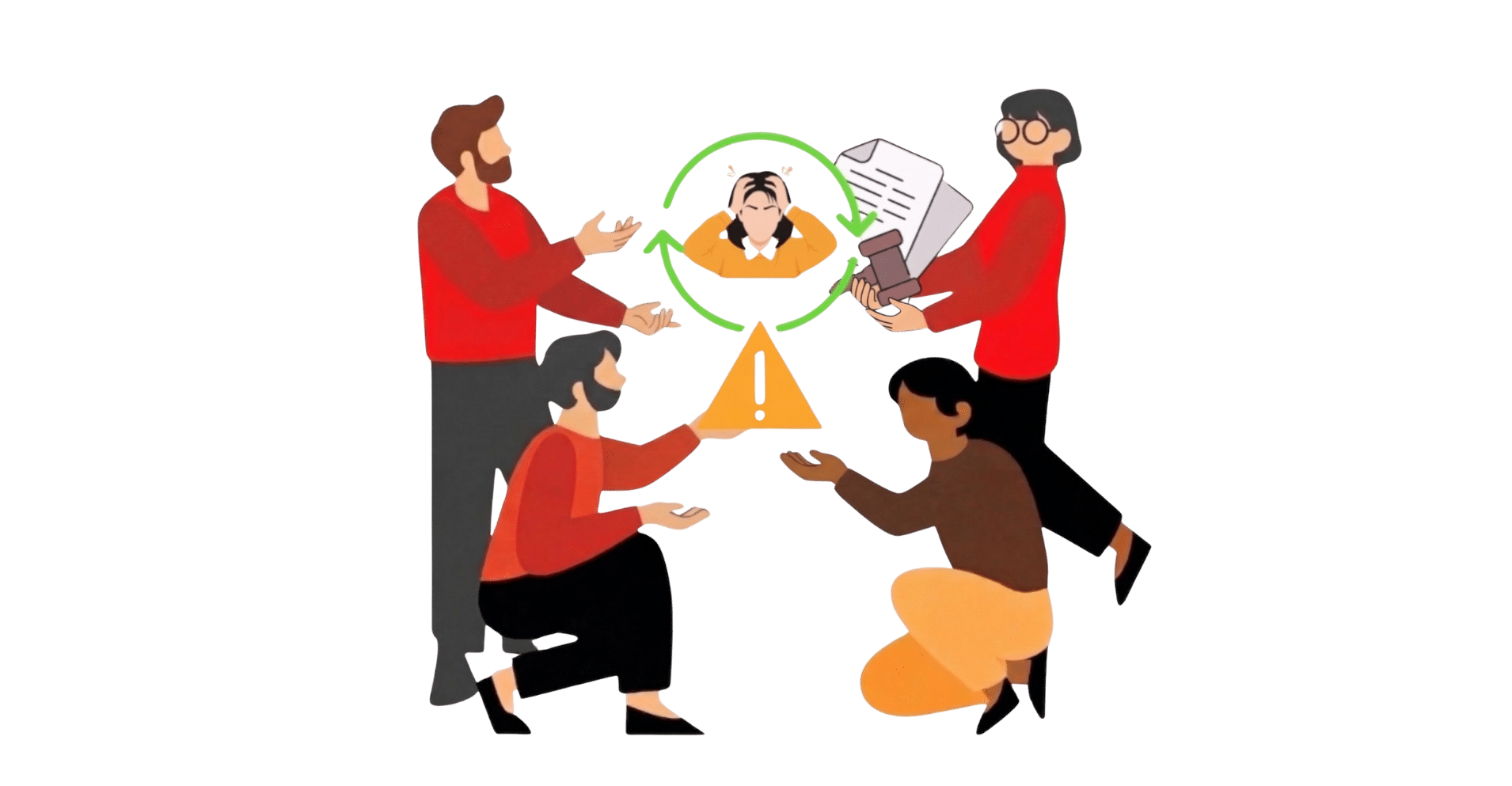
- Support at your side in complex, urgent situations as part of our service H24 Sérénité
- The need to conduct harassment investigations (Article L. 4121-1 of the French Labour Code: the employer must "take the necessary measures to ensure the safety and protect the physical and mental health of workers"). According to case law, an internal investigation is strongly recommended, and even expected, unless the employer can demonstrate that effective prevention and protection measures are already in place.
- Psychosocial risk assessments
- For support in a crisis: a methodological framework, the stance of a supportive observer, and follow-up as required
- For harassment investigations :
An understanding of the company and its organisation, based on a review of documents and interviews with managers
Online questionnaires
Listening to the parties involved (individual interviews)
Production of reports with conclusions and recommendation
- A crisis of any kind
- A complaint from the works council to management concerning conduct described as workplace harassment.
- An instruction from occupational health to carry out a psychosocial risk assessment .
- An obligation to include psychosocial risks in the Occupational risk assessment documents (DUERP).
Our various areas of support
1. Supporting organisations
Our organisational support ranges from making high-risk activities more reliable and defining to implementing organisational learning arrangements for growing entities, by way of introducing a new activity or restructuring existing ones.
We draw on our varied knowledge and skills in High Reliability Organisations, Human and Organisational Factors, the learning organisation and more, to select those best suited to your needs at each phase of the support .
- Support in establishing and implementing an organisational learning culture
- Support with the design of crisis rooms and with taking HOF into account in the design of high-risk installations
- Support with structural change in an organisation
- Support in producing lessons-learned reviews of large-scale events (COVID, inter-agency management of major crisis situations, etc.)
2. Supporting people and teams
Support for your teams in developing their relational intelligence and their cohesion.
People are the engine of your organisational reliability.
Our approach creates a shared language and shared reflexes, essential for navigating complex or high-risk environments with confidence.
- Tools for self-awareness and awareness of others, methods for developing relational effectiveness and team cohesion.
- Helping managers identify their leadership style in order to support their teams in achieving results.
- Helping a team evolve together by sharing individual issues and co-building the solutions to be applied.
- The Insights Discovery concept, based on the psychology of Carl Jung, enables teams to adopt a shared and memorable language (the four "colour energies" model) in order to develop greater awareness of themselves and of others, which significantly improves communication, and cohesion.
- Group coaching approaches and co-development methods in particular. (https://insights.wistia.com/medias/tp2kc11w6m)
Supporting technological change
Support for projects to design new premises and to integratetechnological innovations requiring user-centred approaches built into the design process.
- Ergonomic analysis, functional analysis
- User-centred approach
- Simulation of probable future activity
- Impact analysis
- Support with the design of crisis facilities
- Support in making activities more reliable following the introduction of innovative technologies
- HOF support for the design of basic nuclear installations
4. Support in a crisis
- Support at your side in complex, urgent situations as part of our service H24 Sérénité
- The need to conduct harassment investigations (Article L. 4121-1 of the French Labour Code: the employer must "take the necessary measures to ensure the safety and protect the physical and mental health of workers"). According to case law, an internal investigation is strongly recommended, and even expected, unless the employer can demonstrate that effective prevention and protection measures are already in place.
- Psychosocial risk assessments
- For support in a crisis: a methodological framework, the stance of a supportive observer, and follow-up as required
- For harassment investigations :
An understanding of the company and its organisation, based on a review of documents and interviews with managers
Online questionnaires
Listening to the parties involved (individual interviews)
Production of reports with conclusions and recommendation
- A crisis of any kind
- A complaint from the works council to management concerning conduct described as workplace harassment.
- An instruction from occupational health to carry out a psychosocial risk assessment .
- An obligation to include psychosocial risks in the Occupational risk assessment documents (DUERP).
Our various areas of support
1. Supporting organisations
Our organisational support ranges from making high-risk activities more reliable and defining to implementing organisational learning arrangements for growing entities, by way of introducing a new activity or restructuring existing ones.
We draw on our varied knowledge and skills in High Reliability Organisations, Human and Organisational Factors, the learning organisation and more, to select those best suited to your needs at each phase of the support .
- Support in establishing and implementing an organisational learning culture
- Support with the design of crisis rooms and with taking HOF into account in the design of high-risk installations
- Support with structural change in an organisation
- Support in producing lessons-learned reviews of large-scale events (COVID, inter-agency management of major crisis situations, etc.)
2. Supporting people and teams
Support for your teams in developing their relational intelligence and their cohesion.
People are the engine of your organisational reliability.
Our approach creates a shared language and shared reflexes, essential for navigating complex or high-risk environments with confidence.
- Tools for self-awareness and awareness of others, methods for developing relational effectiveness and team cohesion.
- Helping managers identify their leadership style in order to support their teams in achieving results.
- Helping a team evolve together by sharing individual issues and co-building the solutions to be applied.
- The Insights Discovery concept, based on the psychology of Carl Jung, enables teams to adopt a shared and memorable language (the four "colour energies" model) in order to develop greater awareness of themselves and of others, which significantly improves communication, and cohesion.
- Group coaching approaches and co-development methods in particular. (https://insights.wistia.com/medias/tp2kc11w6m)
Supporting technological change
Support for projects to design new premises and to integratetechnological innovations requiring user-centred approaches built into the design process.
- Ergonomic analysis, functional analysis
- User-centred approach
- Simulation of probable future activity
- Impact analysis
- Support with the design of crisis facilities
- Support in making activities more reliable following the introduction of innovative technologies
- HOF support for the design of basic nuclear installations
4. Support in a crisis
- Support at your side in complex, urgent situations as part of our service H24 Sérénité
- The need to conduct harassment investigations (Article L. 4121-1 of the French Labour Code: the employer must "take the necessary measures to ensure the safety and protect the physical and mental health of workers"). According to case law, an internal investigation is strongly recommended, and even expected, unless the employer can demonstrate that effective prevention and protection measures are already in place.
- Psychosocial risk assessments
- For support in a crisis: a methodological framework, the stance of a supportive observer, and follow-up as required
- For harassment investigations :
An understanding of the company and its organisation, based on a review of documents and interviews with managers
Online questionnaires
Listening to the parties involved (individual interviews)
Production of reports with conclusions and recommendation
- A crisis of any kind
- A complaint from the works council to management concerning conduct described as workplace harassment.
- An instruction from occupational health to carry out a psychosocial risk assessment .
- An obligation to include psychosocial risks in the Occupational risk assessment documents (DUERP).
Need support ?
Need strategic or operational support, or facing an urgent and complex situation? Take the time to talk it through with an ATRISC partner to strengthen your organisation's reliability.
Need support ?
Need strategic or operational support, or facing an urgent and complex situation? Take the time to talk it through with an ATRISC partner to strengthen your organisation's reliability.
Need support ?
Need strategic or operational support, or facing an urgent and complex situation? Take the time to talk it through with an ATRISC partner to strengthen your organisation's reliability.